
Neck and Shoulder Pain Relief: How Deep Tissue, Myofascial Release & Targeted Therapy Can Help
Neck and shoulder pain is one of the most common issues I see—and for most people, it’s constant. Tightness, stiffness, headaches, that “knot” that never seems to go away… it can start to affect everything from your sleep to your focus during the day.
Whether you’re at a desk, working with your hands, training, or just dealing with stress, neck and shoulder pain tends to build up over time.
The good news is, there are effective ways to treat it. In this article, I’ll walk you through what’s really causing neck and shoulder pain and how deep tissue massage, myofascial release, craniosacral therapy, cupping, and injury rehab can help you finally get lasting relief.
What Causes Neck and Shoulder Pain?
Most people think their pain is coming from one spot—but it’s usually more connected than that.
Some of the most common causes I see include:
Forward head posture (looking down at phones, computers)
Rounded shoulders and tight chest muscles
Overuse from repetitive work or training
Stress and tension held in the upper body
Old injuries that never fully healed
Fascial restrictions limiting movement
A lot of the time, that tightness in your neck is actually coming from your shoulders, chest, or even your mid-back.
How Deep Tissue Massage Helps Neck and Shoulder Pain
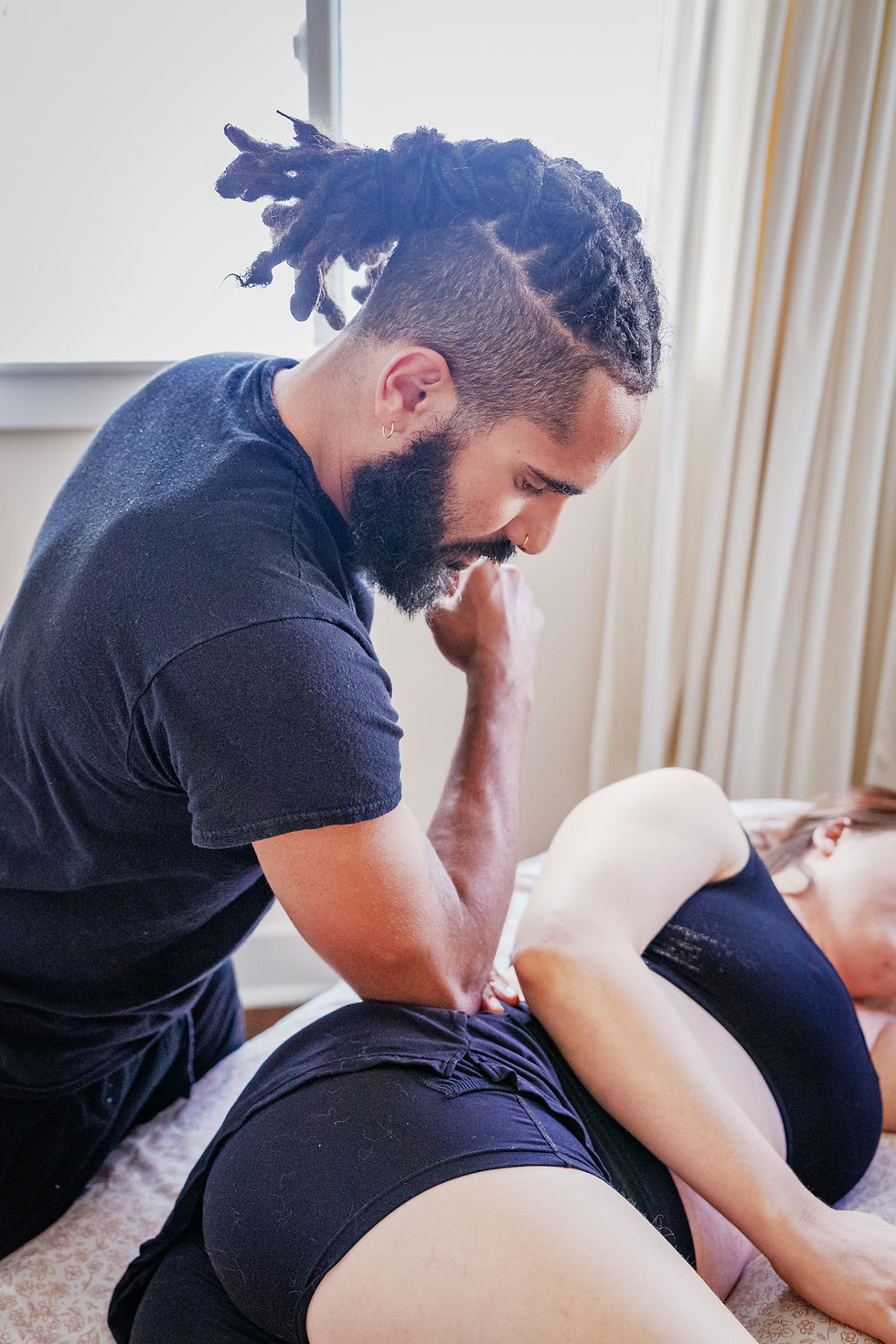
Deep tissue massage is one of the most effective ways to break up chronic tension in the neck and shoulders.
When I’m working in this area, I’m often targeting muscles like the upper traps, levator scapulae, rhomboids, and even deeper stabilizers.
The goal is to:
Release built-up tension and knots
Improve blood flow and circulation
Reduce stiffness and pain
Restore normal movement
If your neck and shoulders constantly feel tight or “locked up,” this is usually a great place to start.
Myofascial Release: Addressing the Bigger Picture
With myofascial release, we’re looking beyond just the muscles and working with the connective tissue that links everything together.
This helps:
Release deeper, longer-held tension patterns
Improve posture and alignment
Reduce strain on the neck and shoulders
Create more freedom in movement
A lot of times, working on the chest (pecs), lats, or even the arms can dramatically reduce tension in the neck.
Craniosacral Therapy: Relieving Stress-Driven Tension
If you carry a lot of stress, chances are it shows up in your neck and shoulders.
Craniosacral therapy is a gentle technique that helps calm the nervous system and release deeper patterns of tension.
It can:
Reduce stress-related tightness
Help with tension headaches
Support chronic pain conditions
Promote full-body relaxation
This is especially helpful if your pain feels constant or comes back quickly after treatment.
Cupping Therapy for Neck and Shoulders
Cupping therapy works really well for areas that feel stuck, compressed, or inflamed.
For neck and shoulder pain, cupping can:
Increase circulation to tight areas
Decompress tissues
Reduce inflammation
Help release stubborn knots
It’s a great addition to deep tissue and myofascial work, especially for chronic tightness.
Injury Rehab: Making the Results Last
This is where real, long-term change happens.
Injury rehab focuses on correcting the underlying issues that cause neck and shoulder pain in the first place:
Strengthening the upper back and postural muscles
Improving shoulder stability
Opening up tight chest muscles
Fixing movement patterns and posture
Without this step, the tension usually comes back. With it, your body starts to hold the changes.
A Whole-Body Approach to Neck and Shoulder Pain
One of the biggest mistakes people make is only focusing on where it hurts.
Neck and shoulder pain is often connected to:
Tight chest (pec minor and major)
Weak upper back muscles
Limited thoracic spine mobility
Poor breathing patterns
When we address the whole system, not just the symptoms, the results are much more consistent.
When to Seek Professional Help
If you’re dealing with:
Ongoing neck or shoulder pain
Frequent headaches or tension headaches
Limited range of motion
Pain that affects sleep or work
…it’s probably time to get some hands-on work and a plan in place.
Final Thoughts
Neck and shoulder pain is extremely common—but it’s also very treatable.
With the right approach using deep tissue massage, myofascial release, craniosacral therapy, cupping, and injury rehab, you can relieve tension, improve posture, and prevent the pain from coming back.
If you’re ready to feel looser, move better, and get rid of that constant tightness, the right treatment can make a huge difference.
Text or call me at 917-364-2328 to find out what is right for you and book your first appointment.

Comments